Petals in Step With the Season: A Flower Planner for Priors Mill Weddings

Photo: Mn2stalentagency, CC0, via Wikimedia Commons
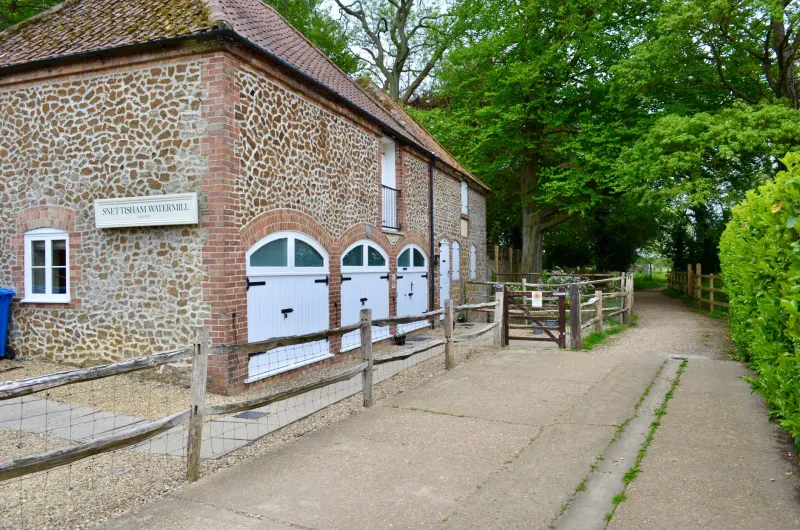
There is a particular kind of light at Priors Mill in the late afternoon. It catches the stone, softens the timber and turns the mill-race into a ribbon of silver. Flowers brought into that setting have a job to do — not to shout over it, but to settle into it. The right ones do. They look as though they have always been there, perhaps leaning out of a cottage garden or gathered from a nearby allotment.
That is the thinking behind this seasonal flower guide. It is not about chasing whatever is trending on a mood board. It is about choosing blooms that are growing in Britain at the time you are getting married, that suit the mill’s character, and that feel warm rather than overly polished. For couples planning a 2026 celebration at Priors Mill, the most useful question is not “What flowers do we like?” but “What will be at its best when we are here?”
Spring: Tulips, Ranunculus and the Art of Restraint
Spring weddings at the mill have a lovely freshness to them. The stone still holds a little winter coolness, so arrangements with soft colour and loose shapes work beautifully. British tulips are the obvious heroes, but they are at their best when treated simply — bunched in low vessels, allowed to open and lean, rather than wired into tight spheres. Ranunculus, anemones, narcissi and early foliage all earn their place.
A word on scent: spring narcissi can be powerful. Keep them away from food displays and perhaps use them in entrance arrangements rather than on tables. It is one of those small practical details that makes a big difference.
For a spring palette, think cream, butter yellow, soft apricot and the palest green. Add a little depth with plum or burgundy tulips if you want contrast against the mill’s stone. Ask your grower what is likely to be ready in your exact week — spring moves quickly, and a warm spell can bring everything on at once.
Summer: Cottage Garden Abundance, Held Lightly
Summer is when British flowers become generous. Sweet peas, cosmos, scabious, cornflowers, nigella, roses and the first dahlias all start to overlap. The mill’s timber and stone can carry abundance well, but the arrangements still need air around them. Dense, foam-heavy designs can look out of step in a historic setting; loose, foam-free arrangements in water look more at home and are kinder to the flowers.
If you are marrying in high summer, consider a palette built from faded blues, soft pinks, clary sage and a little ochre. It echoes the mill’s materials without trying to match them exactly. Herbs such as mint, rosemary and flowering oregano add scent and texture, and they are a gentle nod to the site’s working past.
This is also the season to think about stamina. A July or August wedding may mean flowers sitting in warmth for several hours. Ask your florist or grower which varieties hold well without water, and which should stay in reservoirs. Sweet peas are beautiful but thirsty; dahlias are sturdier than they look.
Autumn: Dahlias, Seedheads and a Warmer Glow
Late summer and early autumn are arguably the mill’s most flattering months for flowers. Dahlias are at their peak, and their colours — rust, burgundy, coral, amber — sit beautifully against old brick and weathered wood. Add seedheads, grasses, rosehips and the last of the cosmos for a look that feels gathered rather than bought.
For an October wedding, British growers may still have dahlias, but the first frosts will bring an end to them. Have a plan B that includes dried elements, evergreen foliage, candles and perhaps potted cyclamen or heather. A florist who knows the local growing season will be honest about what is realistic.
Autumn is also a good time to lean into texture over colour. A palette of oatmeal, bronze, deep green and soft terracotta feels warm and rooted, especially in the mill’s indoor spaces as the evenings draw in.
Winter: Evergreen, Scent and Quiet Confidence
Winter weddings can be magical at Priors Mill, but they ask for a different approach. Rather than pretending it is June, lean into what the season does well: evergreen foliage, berries, forced bulbs, candles and branches. Amaryllis, paperwhites and hellebores can bring elegance without feeling summery.
Keep arrangements lower and closer to the table so they do not block conversation, and use scent deliberately — eucalyptus, pine, rosemary and hyacinth. If you are using forced bulbs, ask for them to be planted at the right stage so they open for your day rather than a week early.
Questions to Ask Before You Choose a Palette
A few practical questions will save a lot of guesswork. What will be growing in the UK in our wedding week? Can our florist source from local growers, and what happens if the weather shifts? Are the arrangements foam-free, and how will they be kept hydrated? Do the flowers need to move from ceremony to reception, and can they survive the journey? What will the room look like in the evening light?
It also helps to visit Priors Mill at the same time of year as your wedding, if you can. Notice how the light falls, which colours come forward and which recede. A palette that looks perfect on a screen can behave quite differently in a stone room with deep window recesses.
The loveliest wedding flowers at Priors Mill are rarely the most complicated. They are the ones that look as if they belong — to the season, to the place and to the people gathered around them. Start with what is growing, add a little warmth, and let the mill do the rest.