The Mill’s Next Chapter Is Written in Lime and Slate
At Priors Mill, restoration is rarely a neat project with a ribbon at the end. It is a rolling conversation between old fabric and new use, and the next chapter is already being written in lime, slate and a very careful diary. As 2026 draws to a close and the team looks into 2027, the work ahead is less a single grand gesture than a series of well-judged turns: make the roof weathertight, let the stone breathe, bring the garden back to life, and do it all without losing the warmth that makes the mill such a beloved place to gather.
First, the roof earns its keep
Top of the list is the roof over the old grain floor and the range beside it. There are slates that have done their duty for decades and are now letting in more than they keep out, plus leadwork and rainwater goods that need attention before another wet Teesside winter tests them. The team is working to a conservation-led specification: like-for-like slate where possible, traditional detailing, and repairs that respect the building rather than smother it.
Scaffolding is never anyone’s favourite sight, but it tells a good story. It means the mill is being looked after. The practical challenge is that weddings and roof repairs share the same calendar. The answer is phasing. Noisier work is scheduled away from Saturdays and peak ceremony times, covered walkways keep guests dry and safe, and the site team works closely with the wedding team so that couples are never surprised by a drill or a dust sheet. The aim is simple: let the mill earn its keep as a venue while it is being cared for as a historic building.
Stone, lime and the slow work of breathing
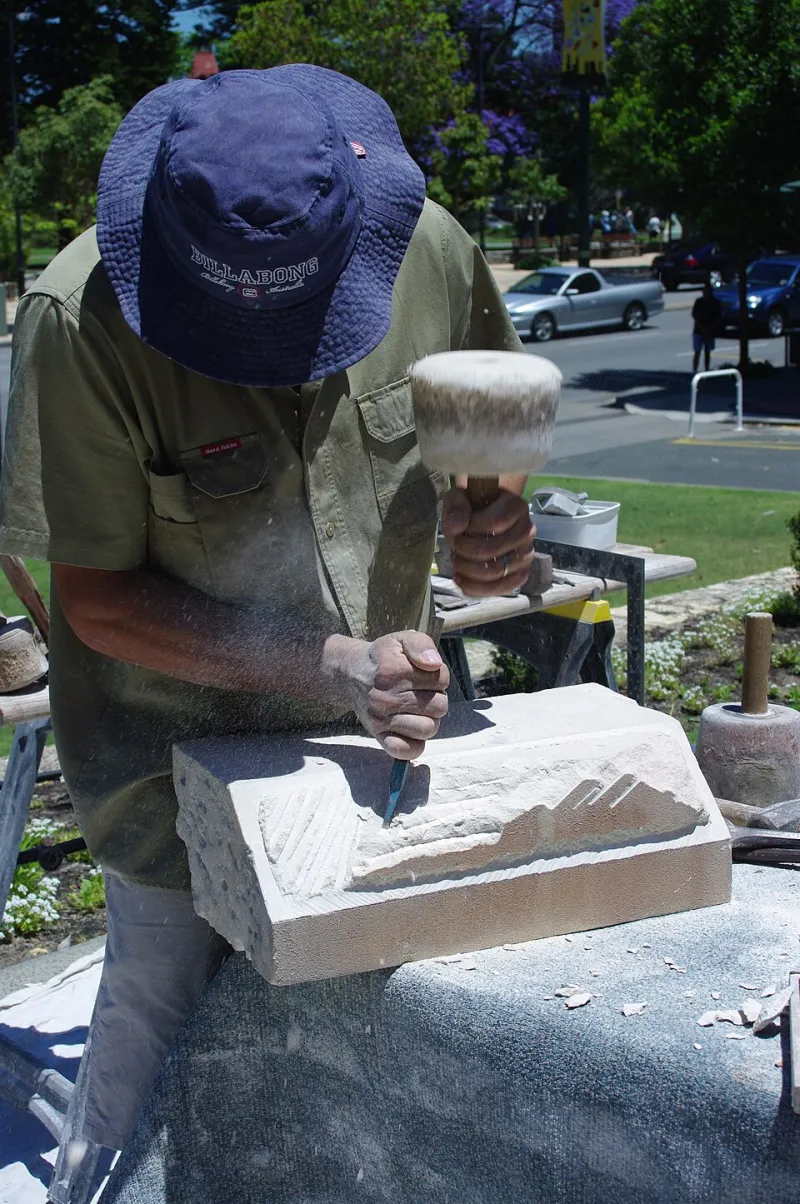
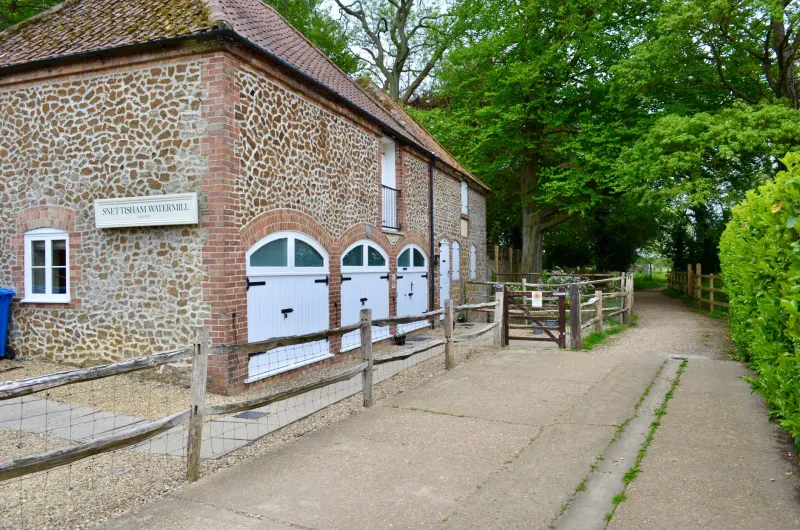
Alongside the roof, there is repointing to do. It sounds modest, but it matters. Old stone needs lime mortar that can flex and allow moisture to escape; hard cement patches can trap damp and cause more harm than good. The restoration team will be cutting out failed mortar and replacing it with a mix suited to the mill’s fabric, working section by section so the building never looks like a building site from the wedding lawn.
Window repairs are on the list too, along with small ironwork fixes and the kind of joinery that is easy to overlook until a sash window stops doing its job. These are not glamorous tasks. They are the quiet, essential ones that keep a historic venue comfortable and sound. Dust control and protected routes will be part of the daily routine, and the team is keen to point out that conservation work is often at its best when visitors barely notice it has happened.
The garden gets its bones back
Outside, the plan is to reinstate the garden with a lighter touch than a formal redesign. Paths need to be made safer and more accessible, beds need rebuilding, and seating areas need to feel intentional again. There is talk of a wildflower strip, better hedging and a route that works for wedding photographs without turning the whole space into a stage set. The mill garden should still feel like a garden: a bit wild at the edges, good for a glass of something cold, and kind to muddy shoes in November.
This is where the community comes in. Volunteer gardening days are being planned, and there will be chances for local people to help with planting, clearing and the gentler work of making the space welcoming. You do not need to know your cotoneaster from your compost to get involved. Enthusiasm counts.
Weddings in a working mill
The balancing act is real, but it is also part of the mill’s character. Couples book Priors Mill because it feels alive, not because it feels sealed off behind glass. A working restoration site can add to that, as long as it is handled with care. The team is building a shared calendar that puts weddings first at key moments, keeps noisy works in agreed windows, and uses covered routes and clear signage so guests can move around comfortably. Where possible, the work is being treated as part of the story rather than an inconvenience to be hidden.
That approach matters for couples planning into 2027 and beyond. They can book with confidence, knowing that the mill is being maintained rather than left to chance. They can also expect a venue that looks a little different each time they visit: a repaired gutter here, a fresh lime joint there, a new bench in the garden. Progress is part of the promise.
How to follow the next stone
There will be more ways to keep up with the work. Progress updates, open mornings and volunteer sessions are all part of the plan, along with a restoration fund for anyone who would like to support the next phase. The team is also keen to hear from people with memories, photographs or knowledge of the mill’s past, because restoration is not only about materials. It is about understanding what a place has meant to the people around it.
So if you pass Priors Mill and see a scaffold, a stack of slate or a gardener with a wheelbarrow, take it as a good sign. The next chapter is underway. It will be dusty in places, slow in others and occasionally inconvenient, but it is being written with care. And like the best gatherings at the mill, it is better when the community is part of it.