The Beautifully Reused: Planning a Sustainable Priors Mill Wedding in 2026
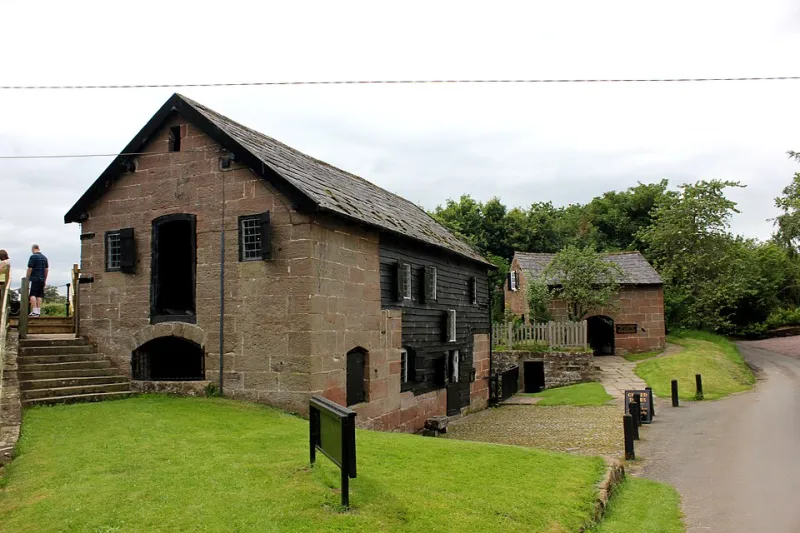
There is a quiet irony in planning a disposable wedding inside a building that has survived for generations. Priors Mill is a place built on repair, reuse and care. Its restoration story is not about making everything new. It is about keeping what matters and giving it another life. That same idea can shape a wedding that feels beautiful without feeling wasteful.
Start with the building, not the shopping list
The mill already brings atmosphere: old brick, timber, worn edges, changing light. You do not need to cover it in fresh plastic or single-use decorations. In fact, the most striking Priors Mill weddings often use less. A few well-chosen pieces — a reclaimed wooden sign, a length of vintage ribbon, a cluster of seasonal flowers — can do more than a room full of novelty props.
Ask yourself what the space already gives you. Then add only what adds meaning. That might be family photographs in mismatched frames, a table plan written on an old mirror, or candles in borrowed holders. The result feels personal rather than purchased.
Reclaimed décor with a story
Reclaimed does not mean rough and ready. A length of old scaffold board can become a beautiful cake table. Vintage glass bottles can hold garden flowers. An old ladder can display seating cards or photographs. Charity shop china, mismatched linen and pre-loved candle holders all bring warmth and character.
The key is to start early and keep a list. Billingham and the surrounding area have charity shops, car boot sales and community groups where useful pieces turn up. Ask family and friends if they have things in lofts. Borrow, hire or buy second-hand where you can. After the wedding, pass items on rather than binning them. A borrowed crate that goes back to its owner is a quiet win.
Seasonal food, local tables
Food is often one of the biggest environmental choices a wedding makes. Seasonal, locally sourced menus can reduce food miles and support North East producers. A winter wedding might lean on roots, greens, apples and preserves; a summer celebration can make the most of berries, salads and herbs.
Talk to your caterer about what is actually in season, not just what is on a standard package. Ask about portion planning, too. A buffet that runs out is better than a buffet that is thrown away. If there is surplus, arrange for it to go to guests or a local food-sharing scheme where possible. And consider a shorter drinks list with local ales, ciders or soft drinks rather than a long imported cocktail menu.
Pre-loved style, not pre-loved compromise
Pre-loved does not have to mean less special. A vintage dress can be altered to fit beautifully. A second-hand suit can be tailored. Borrowed jewellery, heirloom accessories and hand-me-down veils all carry stories that new pieces cannot.
The same goes for styling. Charity shop glassware, rented linens and second-hand furniture can create a considered look. If you want a more polished finish, mix reclaimed pieces with a few well-made hires. The aim is not to look thrifty for its own sake. It is to make choices that feel thoughtful, personal and lasting.
Flowers, stationery and the small stuff
Flowers can be beautiful and sustainable at the same time. Choose seasonal British blooms, ask for no floral foam, and consider potted plants that can be taken home or planted afterwards. Simple arrangements in reused vessels can look more at home in the mill than tightly structured displays.
For stationery, think recycled paper, digital invitations for some guests, and a single beautiful menu rather than endless printed pieces. Favours can be edible, useful or donated to a cause. Confetti can be dried petals or biodegradable paper. Small choices add up.
Restoration as a wedding theme
There is something lovely about a celebration that echoes the mill’s own story. A table plan built from reclaimed wood. A cake stand made by a local joiner. A guest book bound from offcuts. A playlist of songs that matter rather than a generic list. These are not just sustainable choices. They are ways of making the day feel rooted in the place.
Priors Mill’s restoration is ongoing, careful and full of respect for what came before. A wedding planned in that spirit can be the same: beautiful, personal and quietly kind to the planet. In 2026, that feels less like a trend and more like a lasting way to celebrate.
If you are planning a wedding at the mill, start with what you already have, what the building already offers, and what you want to remember. The rest can be borrowed, reclaimed, seasonal or simply left out. The day will still feel special. In fact, it may feel more like you.