The Wheel That Won Them Over: Inside Priors Mill’s New Wedding Landmark
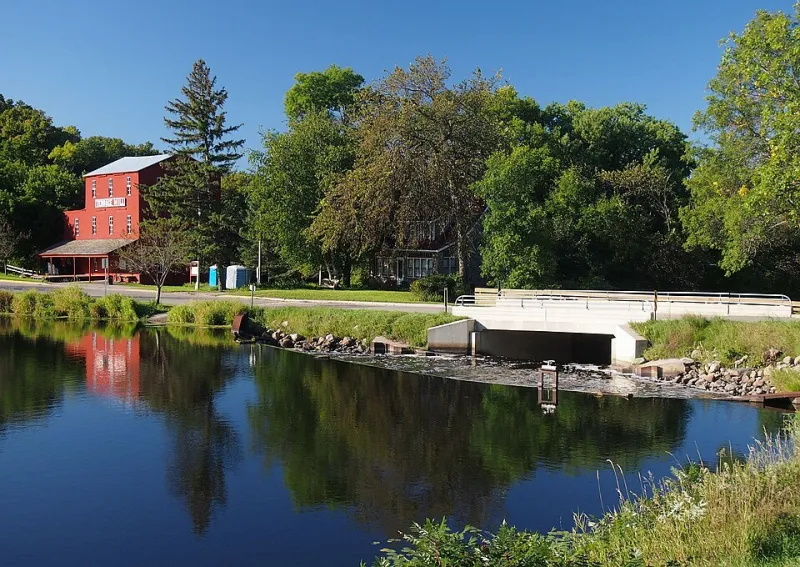
Photo: McGhiever, CC BY-SA 4.0, via Wikimedia Commons
On a bright April morning in 2026, the sluice gate at Priors Mill opened and the old wheel turned under its own power for the first time in decades. There was no ribbon, no brass band — just the creak of oak, the rush of water and a small crowd of craftspeople who had spent months willing it back to life.
Seven months later, that same wheel has become the most requested backdrop on the venue’s wedding calendar. Couples are not simply booking Priors Mill despite the wheel; many are booking because of it. The restoration, completed in spring 2026, has turned a piece of working heritage into one of the most romantic corners of Billingham.
Before the first turn
The project began quietly. The wheel had been a familiar silhouette for generations, but years of weather and water had taken their toll. Paddles were soft, bearings were tired and the mill race needed careful attention. Rather than replace the wheel with a replica, the team decided to repair what could be saved and remake only what could not.
Ellie Hart, lead conservator on the project, remembers the first site meeting. ‘We stood in the wheel pit and could see daylight through places where there should have been solid oak,’ she says. ‘The temptation is to tidy everything up and make it look new. We wanted the opposite. We wanted people to see the marks of time, but we also wanted the wheel to be safe, sound and, ideally, turning.’
That balance shaped every decision. Local millwright Tom Fenwick worked alongside Hart to replace several paddles using seasoned oak, while the ironwork was cleaned and repaired by a specialist firm in the Tees Valley. The team reused as much original material as possible, labelling each piece and photographing it before removal. The before-and-after photographs now on display in the mill’s welcome room show just how much was saved rather than swapped.
An unexpected aisle
What nobody quite predicted was how quickly the wheel would become part of the wedding story. Maya Shah, venue manager at Priors Mill, says the first enquiry arrived before the restoration was even finished. ‘A couple asked whether they could have their ceremony photographed beside the wheel pit,’ she says. ‘At that point it was still a building site. We said yes, but only if they didn’t mind a bit of dust.’
They didn’t. By the time the wheel turned again, Priors Mill had a waiting list of couples asking for the same view. The appeal is not hard to understand. The wheel sits beneath a high, timbered roof, with light falling through the mill windows and water moving beyond. It feels both grand and intimate — a rare combination for a wedding backdrop.
Priya and James were among the first couples to marry with the wheel as a centrepiece. They booked their September 2026 wedding after a winter visit, when the wheel was still wrapped in scaffolding. ‘We stood there in our coats and just knew,’ says Priya. ‘We’re not particularly traditional, but there was something about the wheel that felt like a promise. It keeps going. It’s been here longer than any of us, and it’s still turning.’
Sophie and Callum took a different route. They had already chosen a church ceremony but moved their reception to Priors Mill specifically so they could use the wheel room for photographs and speeches. ‘Our photographer actually gasped when she saw it,’ says Sophie. ‘We ended up having our first dance in front of the wheel instead of in the main hall. It wasn’t planned. It just felt right.’
More than a pretty picture
The restoration team is delighted by the attention, but they are keen to keep the story grounded. The wheel is not a film set or a decorative prop. It is part of the mill’s working history, and the venue has built small safeguards into wedding days so that guests can enjoy it without climbing on it or dropping confetti into the mill race.
Fenwick says the best compliment is not the photographs but the questions. ‘People ask how it works. They ask what the water does and where it goes. That’s when you know the wheel has done its job,’ he says. ‘It’s not just a backdrop. It’s a way into the history of the place.’
Hart agrees. ‘We restored a wheel, but we also restored a conversation,’ she says. ‘Couples come for the setting, and then they start asking about the mill, the village and the people who worked here. That feels like the real win.’
A new chapter, same old mill
As Priors Mill looks ahead to the rest of 2026 and into 2027, the wheel has settled into its new role. It turns on selected days and during wedding ceremonies, with the team monitoring water levels and maintenance needs. The venue now offers a short welcome talk for couples who want to understand the restoration before their big day, and the before-and-after gallery has become an unexpected talking point for guests.
For Shah, the wheel is a reminder that heritage and romance can sit comfortably together. ‘We are a wedding venue, but we are also a mill,’ she says. ‘The wheel doesn’t distract from the weddings. It reminds everyone why this building matters in the first place.’
On a quiet afternoon in November 2026, with the water running low and the light fading early, the wheel turns slowly beneath the roof. It is not dressed for a wedding. There are no flowers on the railings, no chairs in rows. Yet the promise is still there: something old, something repaired, something still moving forward.