Seven Gatherings That Keep Priors Mill at the Heart of Billingham
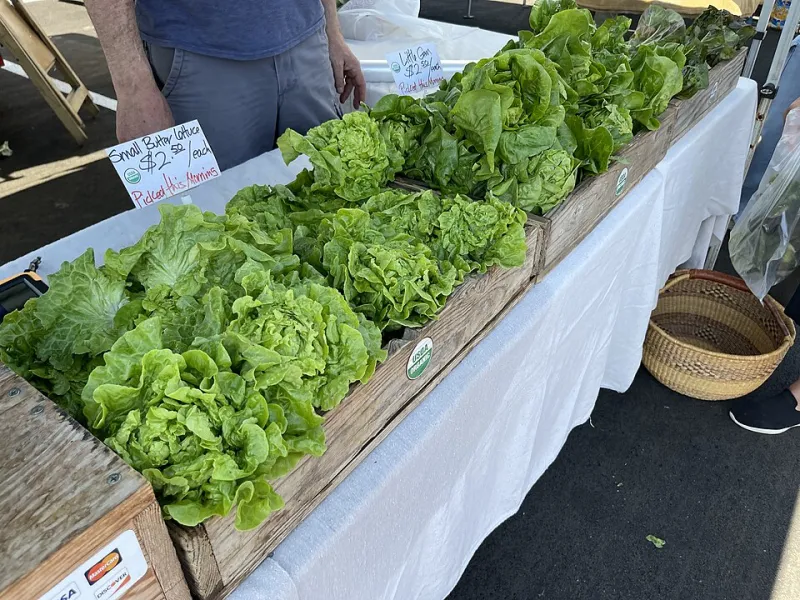
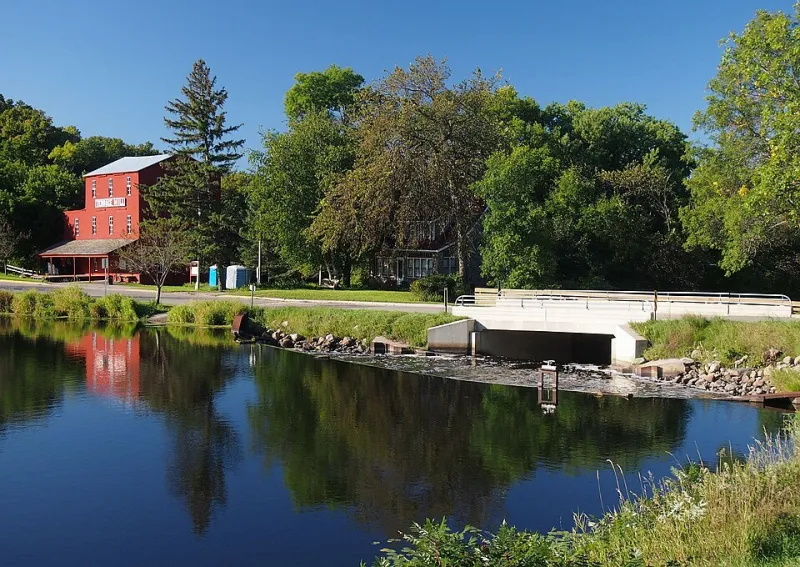
Photo: Missvain, CC BY 4.0, via Wikimedia Commons
Weddings get the confetti and the photographs, but if you visit Priors Mill on an ordinary Saturday morning, you will see another side of the place. There are trestle tables, tea urns, muddy boots and the low hum of people who know each other’s names. The mill is a wedding venue, yes — but it is also a community hub, and these seven gatherings prove it.
1. The monthly farmers’ market
The market began with six stalls in the car park and a hand-painted sign that kept blowing over in the wind. It now fills the old yard on the third Saturday of every month, with bakers, growers, cheese-makers and coffee sellers from across the Tees Valley.
What makes it special is not the size but the rhythm. Regulars arrive early for the bread, stay for a chat and often leave with more than they planned. In 2026, the market added a small children’s craft table under the mill canopy, which has quickly become a favourite stopping point for families. It is humble, local and exactly the kind of thing a mill yard was built for.
2. The annual harvest supper
The harvest supper started as a bring-a-dish meal for volunteers after a long summer of repairs. Long tables were set up in the grain store, someone brought a crate of apples and someone else played a fiddle. That was that — or so everyone thought.
It is now one of the warmest nights in the mill’s calendar. The format has barely changed: shared food, candles in jam jars, a short thank-you to the volunteers and far too much pudding. This year’s supper is expected to fill the grain store again, with proceeds going towards the mill’s ongoing restoration fund. It is not fancy. It is not meant to be. It is a room full of people saying thank you to a building and to each other.
3. Local history talks
The first history talk was held in the reading room with a projector, a biscuit tin and an audience of eleven. The subject was the mill race, and the speaker brought a folder of old maps so large it had to be propped open with a sugar bowl.
Those talks have grown steadily. Now they cover everything from milling families to wartime use of the site, and they regularly attract people who have lived in Billingham for decades alongside newcomers who are simply curious. The Q&A is often the best part, with audience members adding their own memories and photographs. Tea is served afterwards, and nobody is ever rushed out of the door.
4. The spring plant swap
The plant swap began on a trestle table outside the mill door: a few pots of mint, some spare tomato seedlings and a handwritten note saying ‘please take one, please leave one’. It was organised by a group of local gardeners who wanted somewhere to share their surplus without throwing it away.
It has since become a gentle spring tradition. Gardeners bring divided perennials, seed packets and cuttings; beginners come to ask questions and leave with something they can actually grow. There is no entry fee and no pressure to be an expert. If you turn up with a sad-looking houseplant and a willingness to chat, you will fit right in.
5. The repair café
The repair café started because a volunteer was tired of seeing small electricals go into the bin. A few tables were set up in the corner of the mill, a sign was printed and a handful of people turned up with broken lamps, radios and a very stubborn toaster.
It now runs monthly and has become part of the mill’s quiet effort to be useful to the town. Volunteers do not promise miracles, but they do promise a look. Sometimes the fix takes ten minutes; sometimes the conversation takes longer. Either way, the kettle is always on, and there is usually someone on hand to explain what went wrong and why.
6. The winter lantern walk
The lantern walk began with a few families making paper lanterns in the mill’s education room and walking once around the pond. It was supposed to be a one-off. Then the children asked to do it again, and the adults realised it was a lovely way to mark the start of winter.
It now takes place each December, with a short, safe route around the mill grounds and a stop for hot chocolate at the end. The lanterns are simple — willow, tissue paper and battery tea lights — and the mood is deliberately low-key. It is not a festival. It is a walk. But seeing a line of small lights moving past the old mill wall is one of the most memorable sights of the year.
7. The Sunday mill choir
The choir started as an informal singalong for people who did not want to commit to a weekly rehearsal. They met once a month, sang easy songs and drank a lot of tea. There was no audition, no uniform and no expectation to perform.
Over time, the group has become a fixture of the mill’s community calendar. They sing at the harvest supper, at the winter lantern walk and occasionally at weddings when couples ask for something a little different. But the monthly Sunday session remains the heart of it: a room of mixed voices, a piano that is slightly out of tune and an hour where nobody is in a hurry.
A mill with its doors open
These gatherings share a common thread: none of them started with a grand plan. They began with a table, a sign, a few willing people and a building that was happy to host them. That is the quiet magic of Priors Mill. Weddings may pay the bills, but the community keeps the place alive.
If you have never been to one of these events, the mill’s noticeboard is the best place to start. Details are posted by the main door and on the venue’s community page. Turn up, bring a friend and do not worry about arriving alone. At Priors Mill, there is usually someone putting the kettle on.