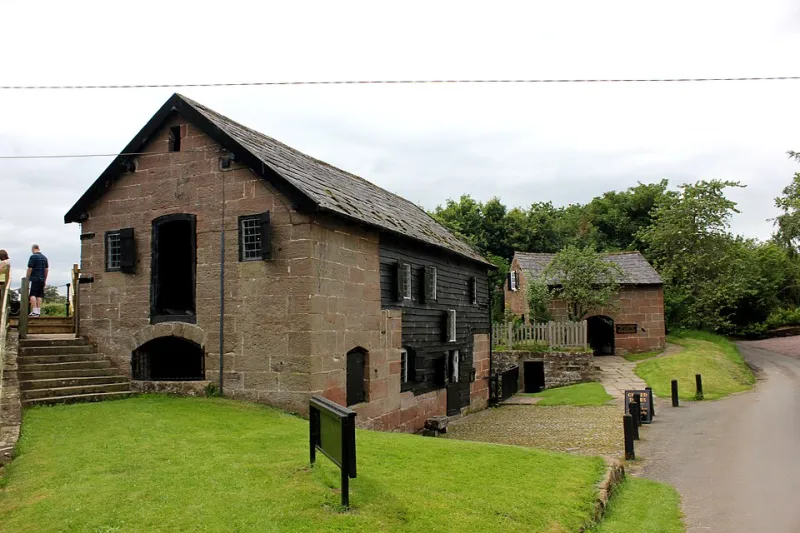
Chisel, Grain and Grit: The People Behind Priors Mill’s Restoration
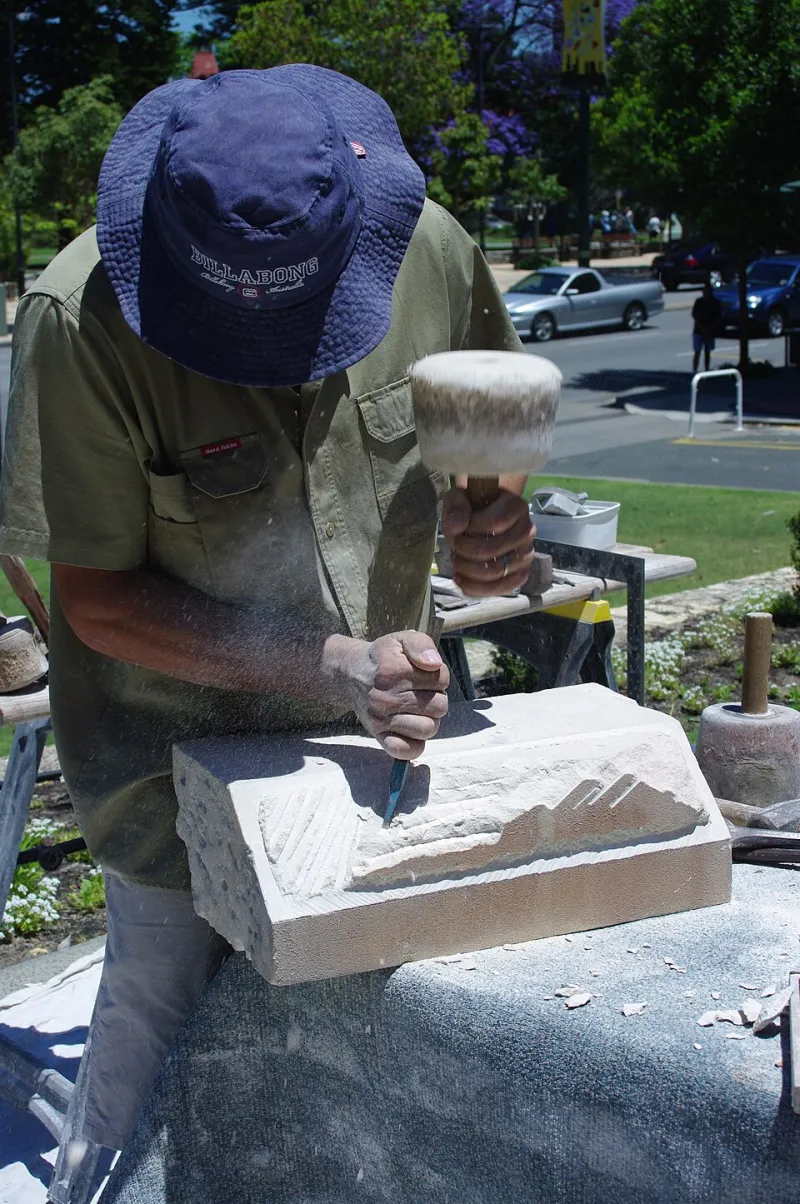
Photo: Gnangarra, CC BY 2.5 au, via Wikimedia Commons
At Priors Mill, restoration is not a tidy line on a spreadsheet. It is the tap of a chisel, the smell of lime mortar, and the careful negotiation between what a building needs and what its future users will ask of it. In 2026, that work is being carried out by a small, dedicated group of craftspeople and volunteers who move between the mill’s stone walls, timber frames and community rooms with quiet purpose. Their names rarely appear on wedding invitations or event posters, but their fingerprints are on almost everything guests see.
The Stonemason Who Reads Walls
Ellen Rutter has worked with stone for more than two decades, and she speaks about old buildings as if they were colleagues. At Priors Mill, she has been leading the repointing programme, replacing hard cement mortar with a softer lime mix that lets the stone breathe. It is slow work. The mortar has to be mixed to the right consistency, the joints cleaned out by hand, and the finish matched to the surrounding wall so that the repair does not shout for attention.
People often ask why a wall needs to breathe. Ellen explains it in the simplest terms: if moisture gets trapped behind a hard skin of cement, it finds another way out, often through the face of the stone itself. In winter, that can mean frost damage. In summer, it can mean crumbling edges. The lime mortar gives the wall an escape route. It is the sort of detail that most wedding guests will never notice, but it is the reason the courtyard wall will still be standing when they return for anniversaries.
Her favourite spot is the old doorway near the courtyard, where the stone has worn smooth in places. She likes the idea that countless hands have touched the same edge. When couples pose there for photographs, they are not just borrowing a pretty backdrop. They are standing in a line of people who have used that doorway for work, celebration and everything in between.
The Joiner With a Feel for Old Timber
Malik Hussain is a joiner by trade and a patient detective by temperament. Old timber behaves differently from new stock. It moves, it settles, and it carries the marks of every fix and alteration made before him. At Priors Mill, he has been repairing window frames, splicing new oak into tired beams, and making good the long tables used for community events.
He works with traditional joints wherever possible, cutting mortise and tenon sections by hand when a machine would risk taking away too much of the original timber. Some of the repairs are deliberately visible. A neat patch of new oak in an old beam tells the story of the building rather than pretending nothing ever happened. Malik says that is part of the appeal. The mill should look cared for, not erased and rebuilt.
His work also has a practical role in the mill’s celebration spaces. He has levelled the floor in the old granary so that chairs sit steady, repaired the long table used for cake displays, and made a set of simple benches for the community room. They are not flashy pieces. They are the sort of furniture that disappears into a room until you need it, which is exactly the point.
Volunteers Who Carry the Story
Not all restoration happens with tools. Brenda Outhwaite, a retired teacher, has been volunteering at the mill for several years. She logs finds, makes tea, greets visitors and keeps an eye on the small things that make a big difference: a loose handle, a dusty ledge, a visitor who needs a chair. On community days, she is often the first person through the door and the last to leave.
The volunteer team also cleans brasses, tidies the courtyard, sets out tables and folds chairs. It is unglamorous work, and it is essential. Without it, the mill could be beautifully restored and still feel unwelcoming. Brenda says the best moments are when people wander in expecting a quick look and end up staying for an hour, asking questions about the wheel or the old stone steps.
Where Craft Meets Celebration
The restoration and the celebrations are not separate projects. The newly repointed stonework gives the courtyard an even, warm backdrop for photographs. The repaired windows let in low afternoon light instead of draughts. The levelled floor means a wedding breakfast can be served without a wobbling table in sight. When a couple chooses Priors Mill, they are benefiting from years of quiet, careful work by people they will probably never meet.
That connection runs both ways. The craftspeople see the building in use, which changes how they think about it. A doorway is not just a doorway when it is the spot where a bride waits before walking in. A table is not just a table when it has held a hundred plates of community soup. The mill’s next chapter is being written by people who understand that old buildings survive by being useful, loved and occasionally filled with music.
Keeping Skills Alive
Traditional skills are not museum pieces. They are living methods that need to be passed on. Ellen takes on an apprentice one day a week, teaching her how to mix lime mortar and read the condition of stone. Malik runs small joinery demonstrations for visitors and shows volunteers how to spot the difference between a minor movement and a problem that needs attention. The mill’s restoration programme includes room for learning, not just doing.
This autumn, a series of small workshops has been giving local people a chance to try their hand at simple stone and timber tasks. The sessions are not about turning everyone into a craftsman. They are about helping people understand what they are looking at when they visit a historic building. Once you have cleaned out a mortar joint by hand, you never quite see a wall in the same way again.
Priors Mill is lucky to have people who care about the difference between a quick fix and a proper repair. Their work is not always visible, and it is rarely loud. But it is there in every photograph taken in the courtyard, every gathering held in the old rooms, and every wedding guest who pauses to ask what the building used to be. The hands that restore are also the hands that keep the story alive.