Beyond the Cobbles: Opening Priors Mill to Every Wedding Guest
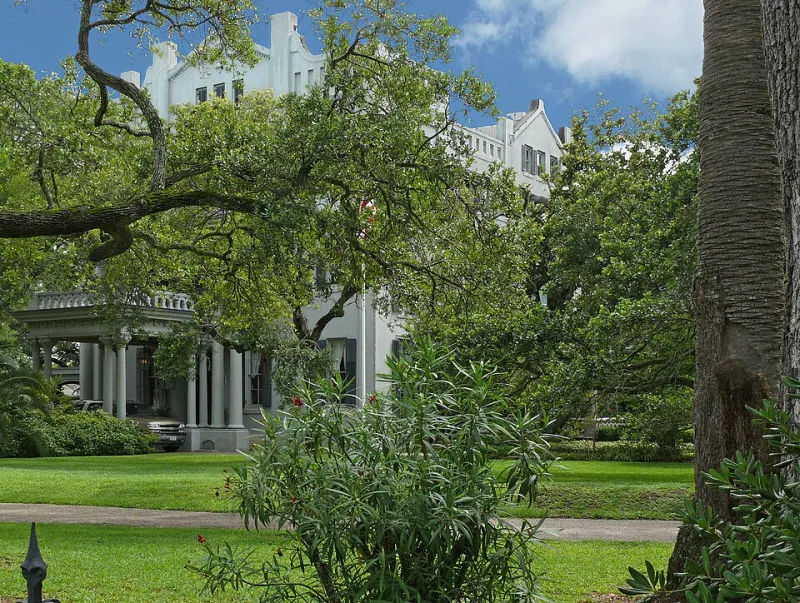
Photo: Jim Evans, CC BY-SA 3.0, via Wikimedia Commons
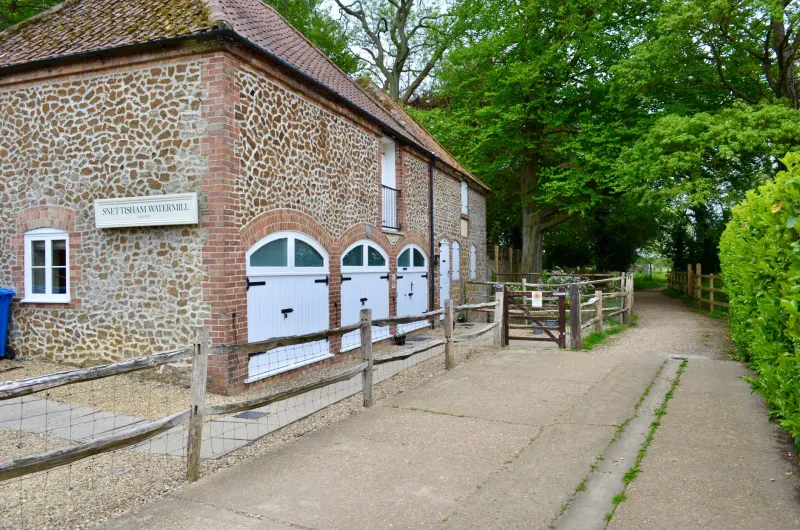
There is a moment at every wedding when the venue stops being a backdrop and starts being part of the day. At Priors Mill, that moment often happens in the courtyard: guests arriving, coats being carried, someone checking a lipstick in the old window glass, children making straight for the wheel. It is warm, busy and full of life. It is also the moment when accessibility stops being an abstract planning note and becomes something very practical indeed.
For couples booking a historic venue, the question is not whether character and inclusion can coexist. They can. The real work is in the details — the route from the car park, the width of a doorway, the sound in a stone-walled room, the promise of somewhere calm to sit for ten minutes. None of that has to flatten the mill’s personality. Done well, it simply means more people get to enjoy it.
Start with the journey, not the ceremony room
It is tempting to begin with the bits of the wedding everyone photographs: the ceremony arch, the long table, the fairy lights. But accessibility starts earlier. Can a guest using a wheelchair or a walking frame get from the car park to the courtyard without a bumpy detour? Is there a drop-off point close to the entrance? Are the signs clear enough for someone who has never been to the mill before?
At Priors Mill, that conversation usually begins with the cobbles. They are part of the place’s charm, and nobody wants to cover them for the whole day. Instead, couples often use temporary matting on the main routes, keep the drop-off area clear and make sure a member of staff is on hand to guide guests who need a steadier path. It is not about hiding the mill’s age. It is about giving people a comfortable way through it.
“The best accessible weddings I’ve worked on feel effortless, and that is because someone thought about the boring bits months earlier,” says celebrant Rachel Fenwick, who has led ceremonies across the North East. “Where do people park? Where is the loo? Is there a chair halfway along the route? Guests notice when those things are sorted.”
The rooms, one by one
A venue is never just one space. At the mill, each room has its own personality and its own practical quirks. The old granary is lovely for a ceremony, but the threshold needs a ramp or a temporary threshold strip so that wheels and unsteady feet can cross without a jolt. The wheel room is dramatic and atmospheric, but the flooring and lighting need checking for anyone who finds uneven surfaces or dim corners difficult. The long table room is sociable and warm, but aisle widths and chair spacing matter when someone is using a mobility aid.
Couples who plan well tend not to treat this as a tick-box exercise. They walk the route with a friend or family member who knows what they need. They ask the mill team where the narrowest doorway is. They test the ramp before the day, not on the morning itself. And they keep the historic fabric in mind: temporary solutions, good fixings, no damage to old stone or timber.
“We had a guest who uses a power chair and another who is partially sighted,” says Ellie, who married at the mill in 2026. “We didn’t want them to feel like an afterthought. So we asked them, honestly, what would make the day easier. The answers were simple: a clear route, a seat near the aisle, and someone to point out the quiet room. That was it.”
Sound, stone and hearing loops
Old buildings have wonderful acoustics and terrible ones, sometimes in the same room. Stone walls can bounce sound around, which is atmospheric for music but hard work for anyone who relies on lip-reading or a hearing aid. A hearing loop is a good start, but it only helps if people know it exists and if microphones are used properly during speeches and ceremonies.
Couples often ask their celebrant to repeat key moments, use a handheld mic for readings and keep background music low during the vows. If a guest uses British Sign Language, a BSL interpreter needs to be visible and well lit, not tucked behind a speaker. Printed orders of service with clear, large text are another small thing that makes a big difference.
“Accessibility is often about giving people options rather than making assumptions,” says Mark Ellison, an accessibility consultant based in Teesside. “Not every disabled guest wants the same thing. Some want to be in the thick of it. Some need a quiet corner. The venue’s job is to make both possible.”
Quiet spaces and small escapes
Weddings are wonderful and exhausting. For guests with sensory needs, anxiety, chronic illness or simply a need for a bit of quiet, having a designated calm space is invaluable. At Priors Mill, a small side room can be set aside with soft lighting, a few chairs and a sign on the door. It does not need to be grand. It needs to be easy to find and genuinely quiet.
Couples sometimes worry that a quiet room will look empty or unsociable in photographs. In practice, it is one of the most thoughtful things you can offer. A parent with a baby, an older guest who needs a rest, a teenager overwhelmed by noise — all of them can stay longer because they know there is somewhere to retreat to.
Seating that includes rather than separates
Reserved seating can be a minefield. Nobody wants to be parked at the back like a spectator. A better approach is to reserve seats near the aisle for guests who need them, keep a mix of chairs and benches, and make sure there is space for a wheelchair or walking frame without blocking the route. At the tables, leave room between chairs so people can move comfortably. A simple seating plan that groups people who know each other is worth more than any fancy chair cover.
The human details
The best accessibility plan is not a document. It is a conversation. Tell the venue team who is coming and what they might need. Ask a trusted friend to be the point person on the day. Brief the photographer about any routes or timings that need adjusting. Make sure the celebrant knows how to include everyone without making anyone feel singled out.
And keep the mill’s character in the picture. A well-placed ramp, a strip of matting, a lamp instead of a harsh overhead light — these are not compromises. They are part of the same welcome that made you choose Priors Mill in the first place. A historic venue should feel like a place where everyone can gather, not just the people who find old steps easy.
As the 2026 wedding season unfolds, more couples are asking better questions earlier. That can only be good news. After all, the loveliest thing about a wedding is not the building. It is the people who fill it — and every one of them deserves a door that opens wide.