The Mill in Miniature: What Billingham's Youngest Builders Taught Us About Stone and Slate
Photo: schoolchildren craft model building clay cardboard classroom UK, via s3.us-central-1.wasabisys.com
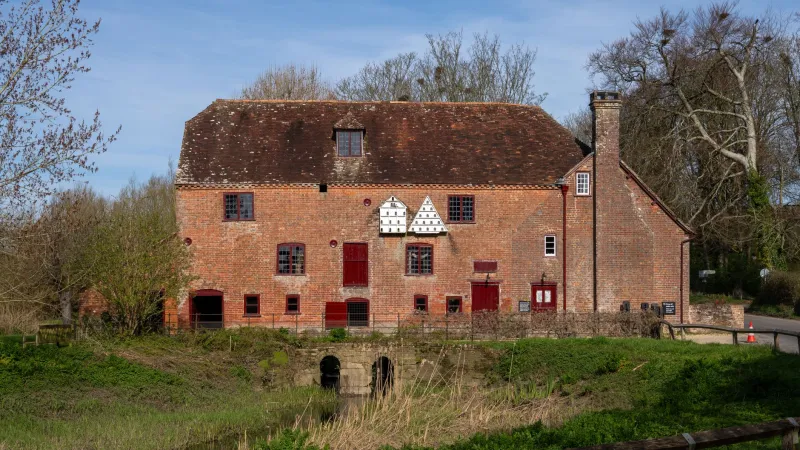
Some projects arrive with a bang. This one arrived with a squelch of modelling clay, a stack of reclaimed timber offcuts and a Year 5 classroom that smelled faintly of PVA glue. Over the autumn term, pupils at a Billingham primary school set themselves a properly ambitious task: build a scale model of Priors Mill. Not a rough sketch, not a cardboard cut-out. A proper model, with a wheel, a roof and as much stonework detail as they could manage.
The idea grew out of a class topic on local history. The children had been learning how Billingham changed over the past two centuries, and Priors Mill kept surfacing. It is hard to miss, after all. But what really caught their imagination was not the building itself. It was the fact that it is still being repaired, stone by stone, by people who are happy to stop and explain what they are doing.
So the class wrote to the mill. And, rather wonderfully, the mill wrote back.
A Shoebox, a Question and a Very Willing Restoration Team
The letter asked a simple question: could someone show us what the mill is made of? A few weeks later, two members of the restoration team turned up with a box of samples. Lumps of lime mortar. Slate offcuts. A piece of reclaimed oak with a nail still in it. The children passed them round like treasure.
That first visit changed the shape of the project. The model was no longer just about getting the proportions right. It became about understanding why the building looks the way it does. Why the mortar is soft. Why the roof is heavy. Why the old timbers have a grain that runs one way and not the other. The team explained that lime mortar is breathable, that it flexes gently with the building rather than fighting it, and that slate has to be laid in a particular pattern to shed water. The children wrote it all down. Then they got glue on their notes.
What Lime Actually Feels Like
You can read about lime mortar a hundred times and still not quite get it. Put a crumbly piece in a nine-year-old's hand and the lesson lands in seconds. It is chalky. It is light. It smells faintly of the sea. One pupil described it as looking like the inside of a Crunchie bar, which is not a comparison the restoration team had heard before but is hard to argue with.
The clay came next. The children rolled it flat, cut it into rough stone shapes and built up the mill walls in layers, leaving gaps and undulations so the finished model would not look too tidy. That was a deliberate choice, inspired by the real thing. Old stonework is rarely neat. It shifts and settles and wears unevenly. The model needed to look like it had lived a little.
For the roof, the class used card cutting and a packet of slate-grey paper donated by the mill's workshop. The wheel was the trickiest bit. It went through three versions before it would turn without wobbling. There was a lot of debate about spokes.
The Chimney That Would Not Stay Up
Every project has a moment when it nearly falls apart. For this one, it was the chimney. It toppled twice during construction, once onto a drying painting and once onto the teacher's marking pile. The third attempt involved a wooden dowel core, a generous amount of hot glue and a small group of children holding it upright while it set. It has stayed up ever since. The restoration team, who have dealt with far larger structural issues, were quietly impressed.
Reclaimed wood from the mill's own offcuts pile went into the base and the wheel housing. The children were told where it came from and what it had been part of before. That detail mattered to them. It is one thing to build a model from new materials. It is another to build it from pieces of the actual building.
The Open Day Test
When the model was finished, it went on display at a community open day in the mill's grain floor. It sat on a table near the entrance, at roughly knee height, which turned out to be the perfect viewing position for younger visitors. Grandparents stopped to look. Couples touring the venue for a wedding stopped to look. People who had worked in the mill decades ago stopped and pointed at details they recognised.
One of the children stood nearby for most of the morning, explaining the roof to anyone who would listen. By the end of the day, they had given the same explanation perhaps thirty times and had refined it into something close to a guided tour. The confidence was remarkable. The facts were mostly right. The Crunchie bar comparison stayed in.
Small Hands, Long Memory
The restoration team took something away from the project too. Seeing their work translated into card and clay reminded them that this building is not just a site to be maintained. It is a story that can be told by anyone, at any age, with whatever materials are to hand. The children did not need scaffolding or specialist tools. They needed curiosity, a bit of guidance and somewhere to put the glue.
There is talk of a second model. Maybe a section showing the roof structure. Maybe a version of the courtyard. Nothing is settled yet, but the classroom in question has already asked whether they can come back and measure the real thing properly this time. The mill, as ever, is happy to oblige. If you are visiting for a wedding or a community event and you see a small wooden wheel on a table, look a little closer. It has a story behind it, and most of it was told by people who are not yet tall enough to reach the top shelf.